
AI Video Editing - Lighting - Practical
Practical lighting is one of the most effective techniques for grounding AI-generated scenes in realism, using visible light sources within the frame such as lamps, candles, television screens, or neon signs to motivate illumination and add texture. This technique makes environments feel lived-in and believable rather than artificially lit, giving the audience visual cues about time, place, and mood. This page explains what practical lighting is, when to use it, and how it compares to other lighting approaches, along with a ready-to-use example prompt.
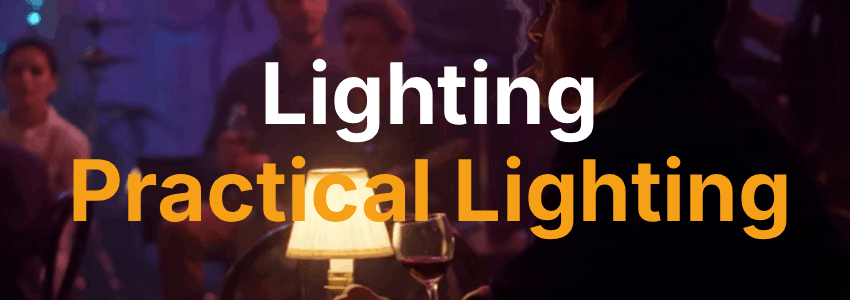
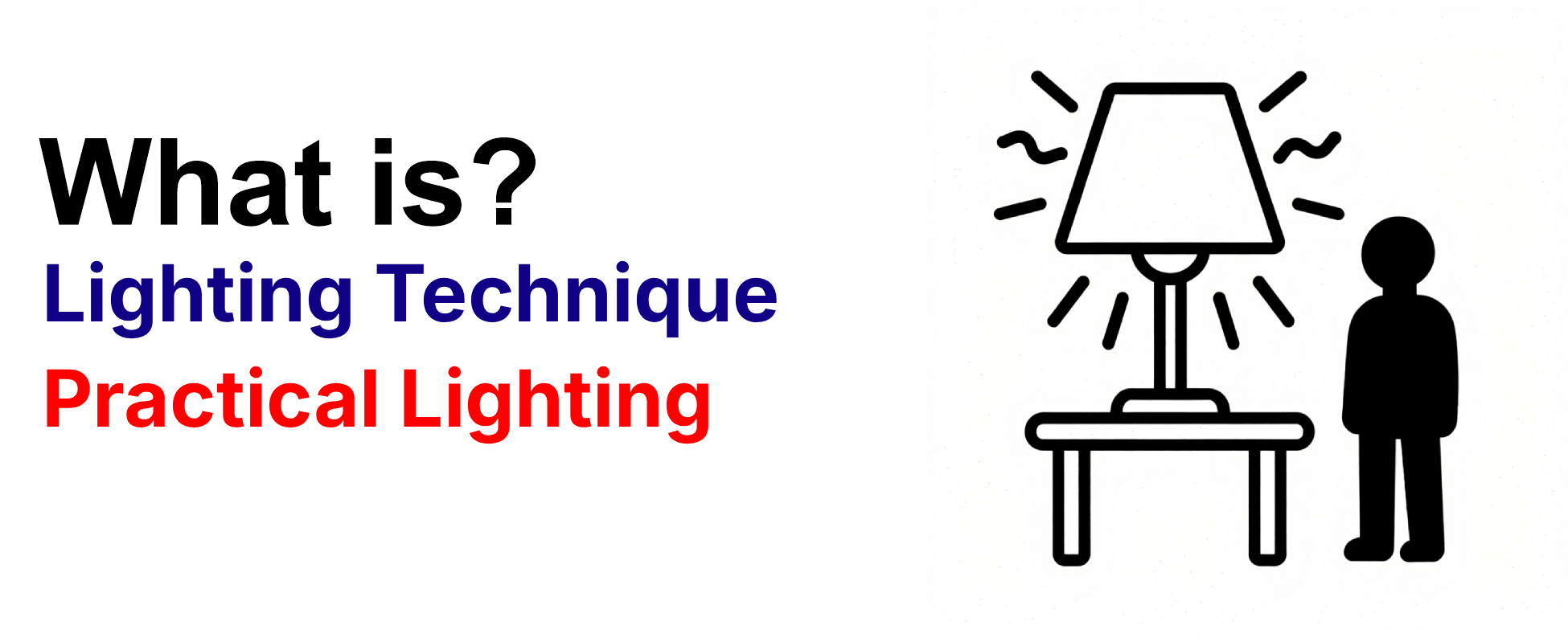
What is "Practical Lighting"?
Practical lighting refers to light sources that are visible within the frame, such as lamps, candles, television screens, or neon signs, which serve both as illumination and as set dressing. This technique grounds a scene in realism by motivating the light from a recognizable source, making the environment feel lived-in and believable rather than artificially lit. Directors use practical lighting to create natural-looking scenes, to add texture and depth, and to give the audience visual cues about the time, place, and mood of the story. In AI video generation, naming a practical light source in your prompt anchors the frame in believability and gives the AI a clear, motivated origin for the illumination, resulting in more cohesive and cinematic output.
Example Prompt
"Hidden Observation in a Jazz Club, Night time, practical warm lamplight on round table, soft golden glow, hard magenta-cyan split rim light highlighting detective's face in shadow, cigarette smoke diffusing beams, musicians blurred in background, cinematic 35 mm –ar 16:9"
Example Video
When to use Practical Lighting?
Practical lighting works best when a scene needs to feel authentic and lived-in, such as interior settings where a visible lamp, candle, or screen can motivate the light naturally. It is especially effective for intimate or atmospheric moments where the light source itself becomes part of the storytelling, like a flickering TV illuminating a sleeping child or a candle casting warm pools of light across a dinner table. Practical lighting also excels in mixed-lighting scenarios where cool and warm sources contrast within the frame, creating visual tension and depth. Avoid relying solely on practical lighting for large exterior scenes or when you need broad, even illumination, as practical sources are typically localized and may not cover the full scene.
- Scene needs a visible, motivated light source for realism
- Interior setting with lamps, candles, or screens as natural light
- Mixed warm and cool light sources for visual contrast
- Intimate or atmospheric mood where the source is part of the story
- Anchoring the viewer's sense of place and time
Pros and Cons of Practical Lighting
| Pros | Cons |
|---|---|
| Grounds the scene in realism by providing a visible, motivated light source | Limited to small, localized pools of light that may not illuminate large areas |
| Adds texture, depth, and atmosphere by making light part of the set dressing | Can constrain creative freedom if the AI over-indexes on the practical source |
| Gives the audience clear visual cues about time, place, and mood | May require additional fill or edge lighting to prevent the scene from looking too dark |
Recommended book

Learn more about AI video editing
Learn more about AI video editing by reading the book How to Make AI Videos by Gyula Rabai. In this book you can find very important information about: Camera Movement, Lighting, Colors, Composition, Consistency, Character emotion, Character motion, Video style, Action Control and Sound design This information will make your videos more professional, and more engaging.
Get your copy here:
https://videcool.com/p_3707-how-to-make-ai-videos-by-gyula-rabai-book.html
Conclusion
Practical lighting is a powerful tool for filmmakers and prompt engineers who want to anchor their AI-generated scenes in realism and atmosphere. By placing a visible light source within the frame, whether it is a lamp, a candle, a television screen, or a neon sign, you motivate the illumination and give the viewer an immediate sense of place and mood. It is not the right choice for every scene, but when authenticity, intimacy, or mixed-lighting contrast are the goal, few techniques communicate them as effectively. Used thoughtfully alongside other lighting approaches, practical lighting becomes a versatile addition to any AI video generation toolkit.