
AI Video Editing - Character Emotion - Subtle Angry
Subtle angry is one of the most powerful emotional expressions available in AI video generation, transforming a simple scene into a tense psychological standoff. By using intensity modifiers like "subtle," you can direct the AI to render micro-expressions—such as a twitching jaw or narrowed eyes—that convey anger simmering just beneath the surface at roughly 10 percent intensity. This page explains what the subtle angry technique is, when to use it for maximum impact, and its pros and cons, along with a ready-to-use example prompt.
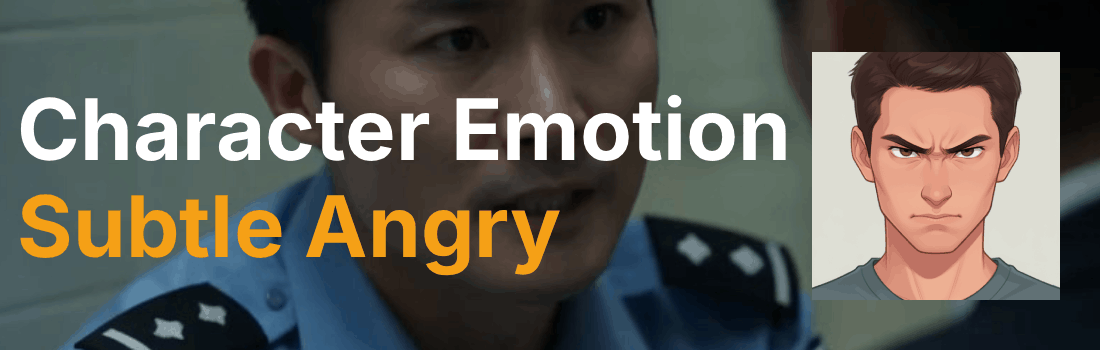
What is the "Subtle Angry" emotion technique?
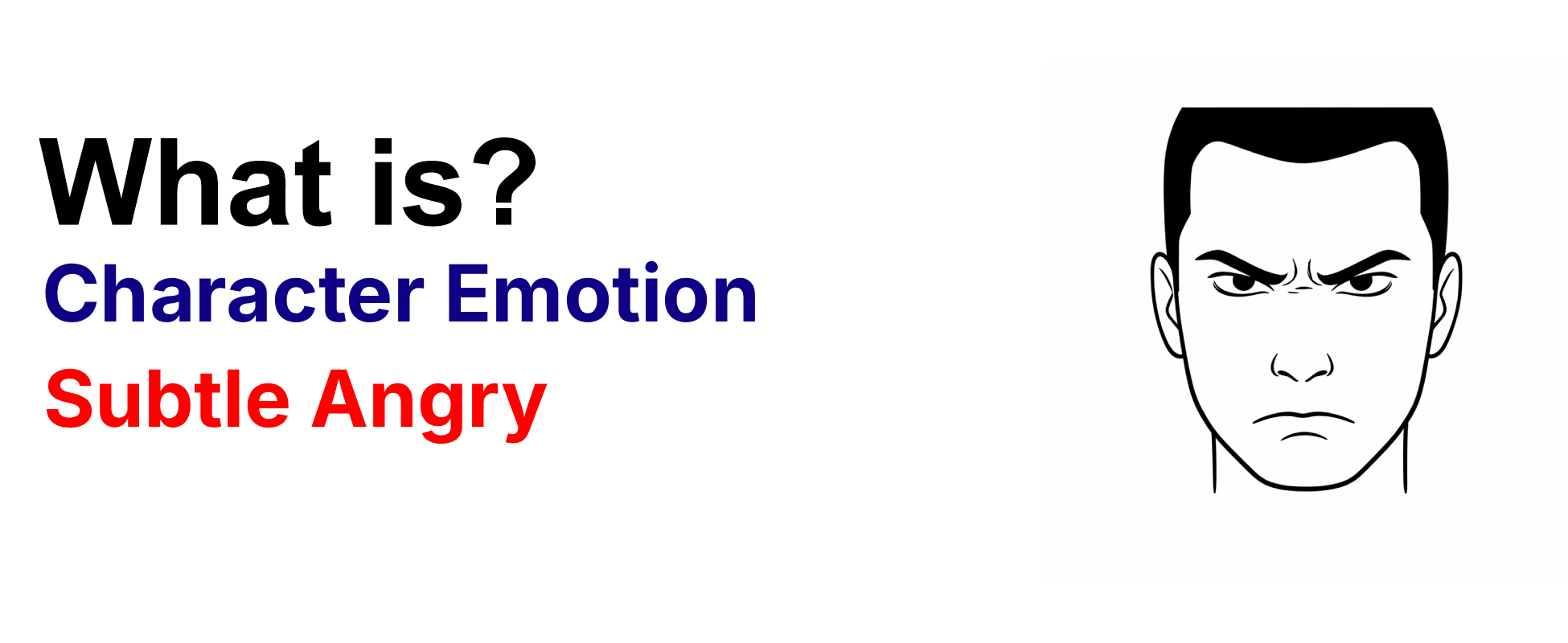
Subtle Angry is a restrained emotional expression where the character's anger simmers beneath the surface at approximately 10 percent intensity, revealed only through micro-movements like a jaw twitch, narrowed eyes, or a barely clenched fist. This controlled performance signals frustration without exploding, creating a tense power dynamic where the audience senses the character is holding back. Directors use subtle angry for interrogation scenes or confrontations where a character must intimidate while maintaining professional composure, letting the quiet intensity speak louder than any outburst.
Example Prompt
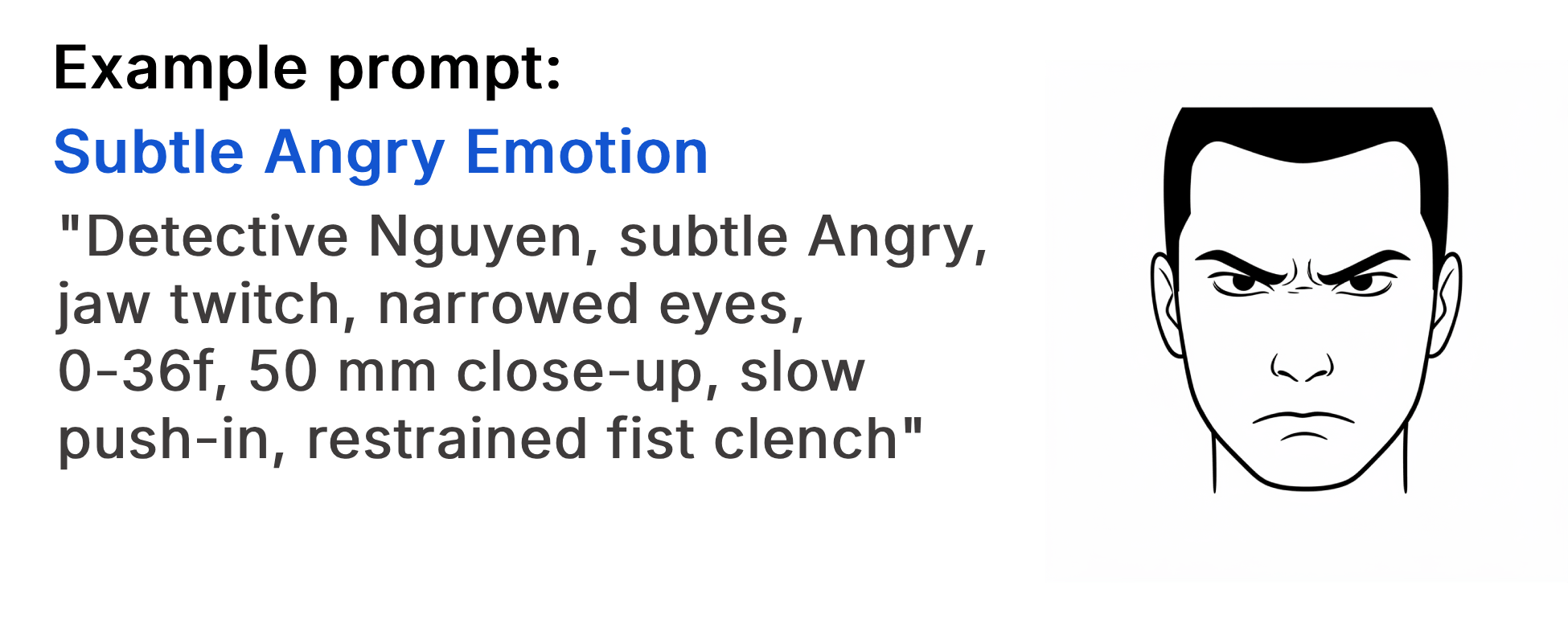
"Detective Nguyen, subtle Angry, jaw twitch, narrowed eyes, 0-36f, 50 mm close-up, slow push-in, restrained fist clench"
Example Video
When to use the Subtle Angry technique?
Knowing when to deploy subtle angry is crucial for creating believable character dynamics. While explosive rage has its place, restrained anger is often far more effective for building suspense and signaling authority. Use this technique when the narrative demands a character who is holding back their true feelings to maintain control or intimidation. Avoid this technique for scenes that call for overt outbursts, cathartic releases, or moments where raw, unfiltered anger drives the drama.
- Interrogation or deposition scenes where authority must intimidate without losing composure
- Workplace confrontations where frustration must be suppressed behind a polite facade
- Power dynamics where a dominant character silently signals displeasure
- Slow-burn dramatic sequences where emotional pressure builds before a potential outburst
- Close-up emotional beats paired with camera movements like a slow push-in to magnify micro-expressions
Pros and Cons of the Subtle Angry
| Pros | Cons |
|---|---|
| Creates deep psychological tension and adds layers of subtext to the performance | Can be too understated if the AI model ignores intensity modifiers and defaults to a neutral expression |
| Feels highly realistic and relatable by relying on human-like micro-movements | Requires precise micro-timing cues and specific physical descriptors to execute properly |
| Maintains character authority and composure, making the anger feel controlled and intimidating | Easily overshadowed by busy background actions or fast camera movements if not carefully framed |
Recommended book

Learn more about AI video editing
Learn more about AI video editing by reading the book How to Make AI Videos by Gyula Rabai. In this book you can find very important information about: Camera Movement, Lighting, Colors, Composition, Consistency, Character emotion, Character motion, Video style, Action Control and Sound design This information will make your videos more professional, and more engaging.
Get your copy here:
https://videcool.com/p_3707-how-to-make-ai-videos-by-gyula-rabai-book.html
Conclusion
Mastering the subtle angry technique in AI video generation allows you to move beyond one-dimensional outbursts and craft performances rich with restrained tension. By combining the "subtle" intensity modifier with specific physical cues—like a jaw twitch or narrowed eyes—and precise timing, you can guide the AI to create a gripping power dynamic that speaks volumes without ever raising its voice. It is not the right choice for every scene, but when authority, suspense, or simmering conflict are the goal, few techniques communicate them as effectively. Always remember to place the emotion keyword directly after the character's name and pair it with supportive camera framing to ensure the AI captures the quiet intensity of a character who is furious, but fiercely in control. Used thoughtfully alongside other emotion intensities, subtle angry becomes a versatile addition to any AI video generation toolkit.