
AI Video Editing - Character Emotion - Fear
Fear is one of the most powerful and primal emotions available in AI video generation, capable of gripping the audience with visceral tension through wide eyes, trembling fingers, and shallow breaths. When applied to a character, it triggers the viewer's own survival instincts, creating an empathetic bond that makes every shadow feel threatening and every silence feel loaded. This page explains what the fear emotion technique is, when to use it, and how it compares to other emotional expressions, along with a ready-to-use example prompt.
What is the "Fear" emotion technique?
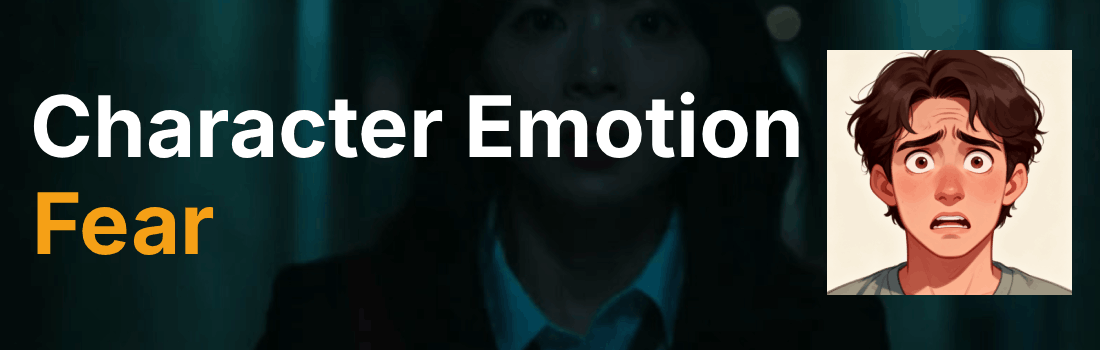
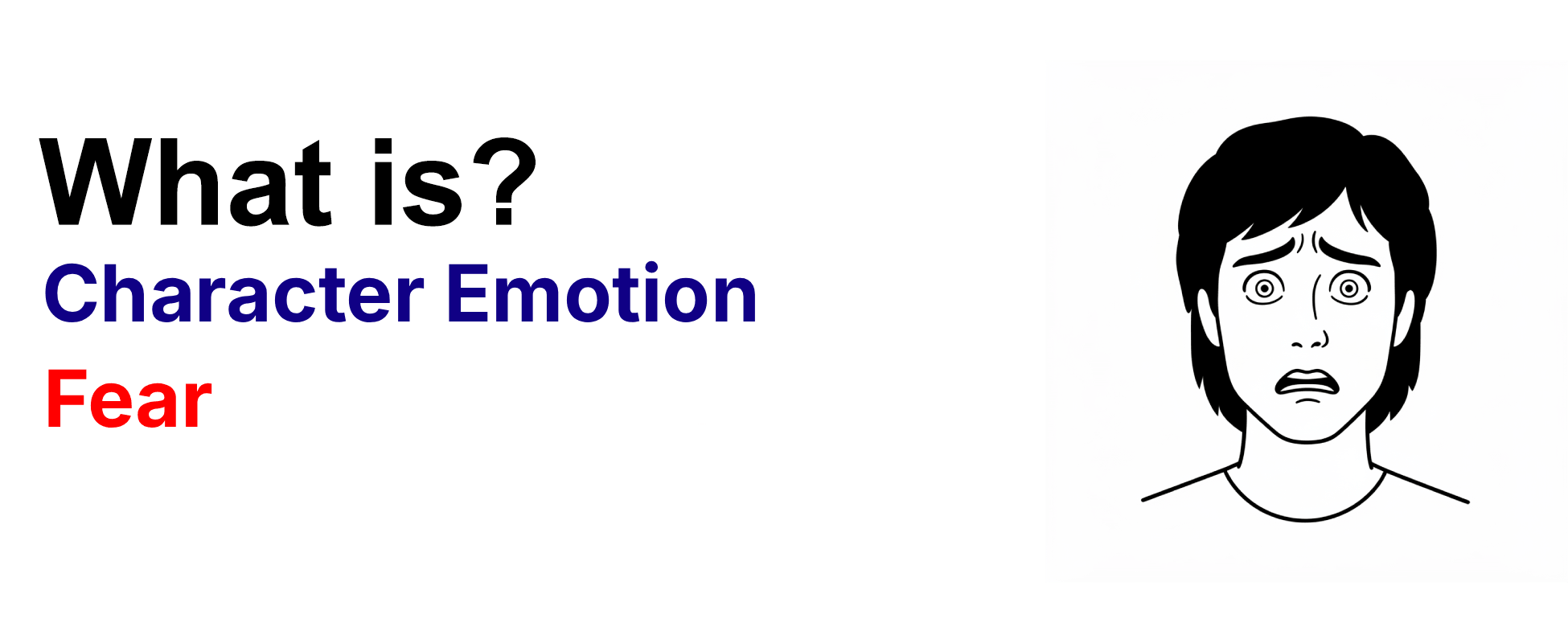
Fear is a primal emotional expression characterized by wide eyes with dilated pupils, raised eyebrows, a slightly open mouth, shallow breathing, and a defensive body posture with hunched shoulders and trembling fingers. This universal response signals perceived danger and triggers the audience's empathetic survival instincts, making them feel the character's vulnerability. Directors use fear for suspenseful sequences, horror scenes, or moments of genuine threat, allowing the audience to experience the character's dread and uncertainty in real time. In AI prompting, placing the fear keyword immediately after the character name gives it the strongest weight, ensuring the AI renders consistent, believable expressions across every scene and re-render. Intensity modifiers such as "subtle," "intense," and "building" allow you to dial the performance from a restrained simmer beneath the surface to full-blown terror, while micro-timing cues let you choreograph exactly when the fear appears and how it escalates.
Example Prompt
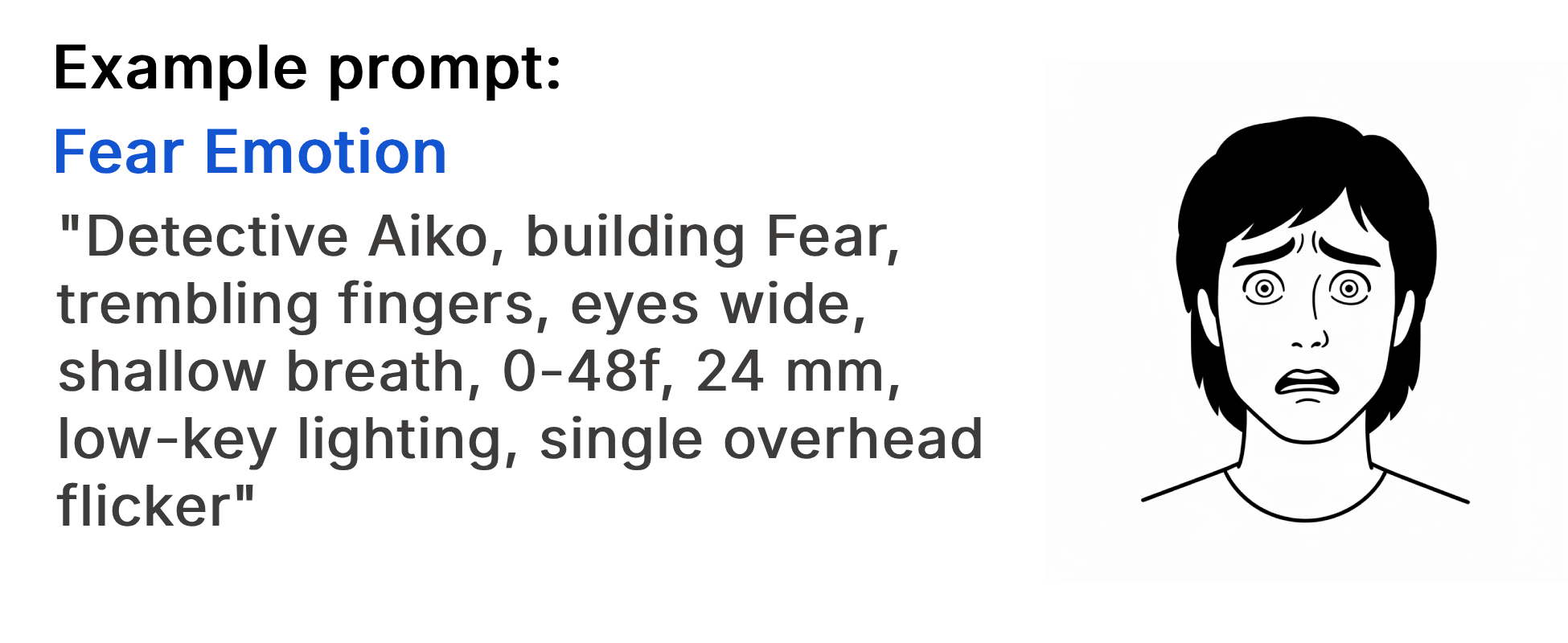
Emotion prompt: Detective Aiko, building Fear, trembling fingers,
eyes wide, shallow breath, 0-48f, 24 mm, low-key lighting, single
overhead flicker
Scenario prompt: Walking through a dimly lit alley, Detective Aiko
senses someone following. Fear grows incrementally, captured in
subtle, tense micro-expressions.
Example Video
When to use the Fear emotion technique?
The fear emotion technique works best when a scene calls for suspense, vulnerability, or a sense of imminent danger, such as horror sequences, chase scenes, or moments where a character faces an unknown threat. It is also effective for building tension incrementally using intensity modifiers like "building Fear" to escalate from subtle unease to full-blown terror across cuts. Fear can be layered with conflicting emotions such as defiance to create complex psychological moments, as in "Fear blended with defiant spark." Avoid this technique for scenes that require confidence, calm, or authority, where emotions like neutral or happy will better serve the narrative.
- Scene requires suspense or a sense of danger
- Character faces an unknown or escalating threat
- Horror, thriller, or chase sequences
- Building tension through incremental emotional escalation
- Audience empathy and vulnerability are the priority
Pros and Cons of the Fear Emotion
| Pros | Cons |
|---|---|
| Creates an immediate, visceral connection with the audience through empathetic survival instincts | Can feel excessive or exhausting if sustained without relief or emotional contrast |
| Intensity modifiers (subtle, intense, building) allow fine control from micro-expression to full terror | Overuse without layering can result in flat, one-note performances |
| Pairs powerfully with low-key lighting, handheld camera, and shallow depth of field for immersive realism | Strong fear expressions may look unnatural or cartoonish if not paired with proper body language cues |
Recommended book

Learn more about AI video editing
Learn more about AI video editing by reading the book How to Make AI Videos by Gyula Rabai. In this book you can find very important information about: Camera Movement, Lighting, Colors, Composition, Consistency, Character emotion, Character motion, Video style, Action Control and Sound design This information will make your videos more professional, and more engaging.
Get your copy here:
https://videcool.com/p_3707-how-to-make-ai-videos-by-gyula-rabai-book.html
Conclusion
Fear is a powerful tool for filmmakers and prompt engineers who want to grip the audience with visceral tension and empathetic vulnerability. By placing the fear keyword immediately after the character name and layering it with intensity modifiers, micro-timing cues, and complementary camera techniques, it transforms a static render into a pulse-quickening experience. It is not the right choice for every scene, but when suspense, danger, or emotional vulnerability are the goal, few emotions communicate them as effectively. Used thoughtfully alongside other emotional expressions, it becomes a versatile addition to any AI video generation toolkit.