
AI Video Editing - Camera Movement - Crane Up
A crane up is one of the most cinematic camera movements available in AI video generation, lifting the viewpoint skyward to transform an intimate moment into a sweeping, expansive reveal. This page explains what the technique is, when to use it, and how it compares to other camera movements, along with a ready-to-use example prompt.
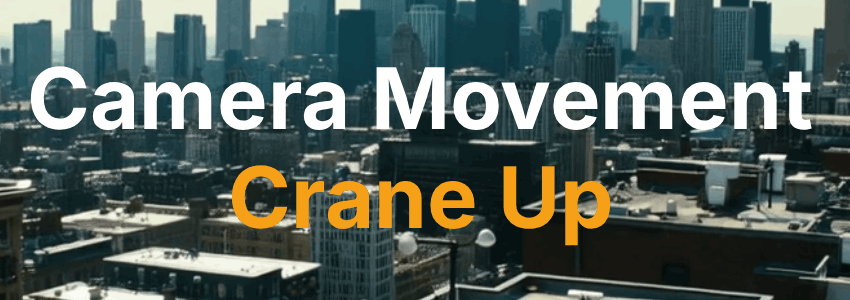
What is the "Crane Up" camera technique?
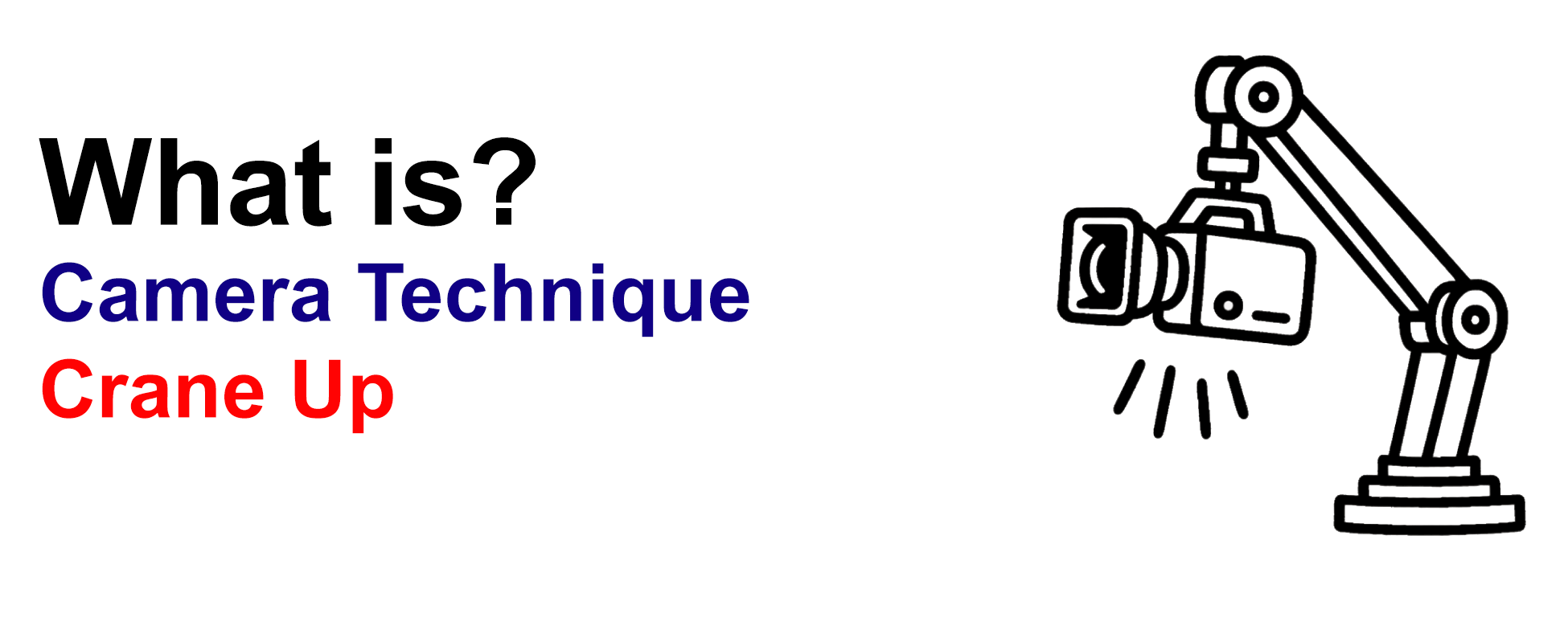
A crane up is a vertical camera movement achieved by mounting the camera on a mechanical arm or jib that rises upward during the shot. This motion gradually reveals more of the scene from a higher vantage point, often transforming a close or medium view into an expansive establishing shot. Filmmakers use the crane up to create a sense of grand revelation, to shift power dynamics by looking down on characters, or to conclude a scene with an emotional or visual crescendo.
Example Prompt
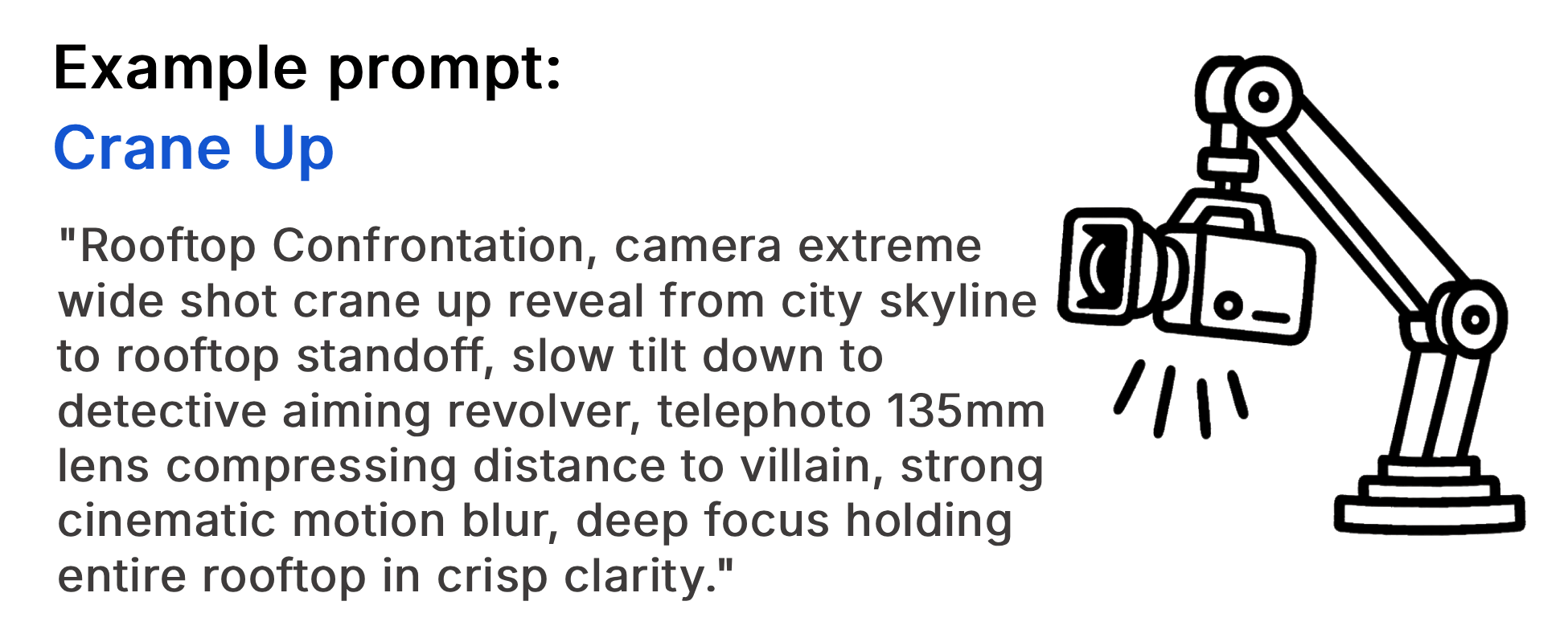
"Rooftop Confrontation, camera extreme wide shot crane up reveal from city skyline to rooftop standoff, slow tilt down to detective aiming revolver, telephoto 135mm lens compressing distance to villain, strong cinematic motion blur, deep focus holding entire rooftop in crisp clarity."
Example Video
When to use the Crane Up technique?
The crane up technique works best when a scene calls for a grand sense of reveal, scale, or closure, such as unveiling a location for the first time, ending a sequence on a visual high note, or shifting the audience's perspective from a character's level to a god's-eye view above them. It is also effective for signaling a shift in power or vulnerability, since rising above a character can make them appear smaller or more exposed. Avoid this technique for intimate, contained scenes where staying close to a character's eye level will better preserve emotional connection.
- A location deserves a grand reveal
- The sequence needs a strong closing shot
- The view should rise above the action
- A character should appear smaller or exposed
- The location allows for upward movement
Pros and Cons of the Crane Up
| Pros | Cons |
|---|---|
| Delivers a dramatic, memorable sense of scale and revelation | Can feel excessive or unearned if used without a strong narrative payoff |
| Effectively shifts power dynamics by changing the viewer's vantage point | Requires wide open space above the subject, limiting where it can be used |
| Strong choice for scene transitions and closing shots | Loses intimacy and emotional closeness compared to grounded camera work |
Recommended book
Learn more about AI video editing
Learn more about AI video editing by reading the book How to Make AI Videos by Gyula Rabai. In this book you can find very important information about: Camera Movement, Lighting, Colors, Composition, Consistency, Character emotion, Character motion, Video style, Action Control and Sound design This information will make your videos more professional, and more engaging.
Get your copy here:
https://videcool.com/p_3707-how-to-make-ai-videos-by-gyula-rabai-book.html
Conclusion
The crane up is a powerful tool for filmmakers and prompt engineers who want to close a scene or reveal a setting with cinematic scale and grandeur. By lifting the viewpoint above the action, it reshapes the audience's sense of space and power, turning a grounded moment into a sweeping visual statement. It is not the right choice for every scene, but when revelation, closure, or a shift in perspective are the goal, few techniques communicate them as effectively. Used thoughtfully alongside closer, more intimate camera movements, it becomes a versatile addition to any AI video generation toolkit.