AI Video Editing - Camera Movement - Slow Pull-Back
A slow pull-back is one of the most revealing camera movements available in AI video generation, gradually widening the frame to expose context that was hidden in a close or medium shot. This page explains what the technique is, when to use it, and how it compares to other camera movements, along with a ready-to-use example prompt.
What is the "Slow Pull-Back" camera technique?
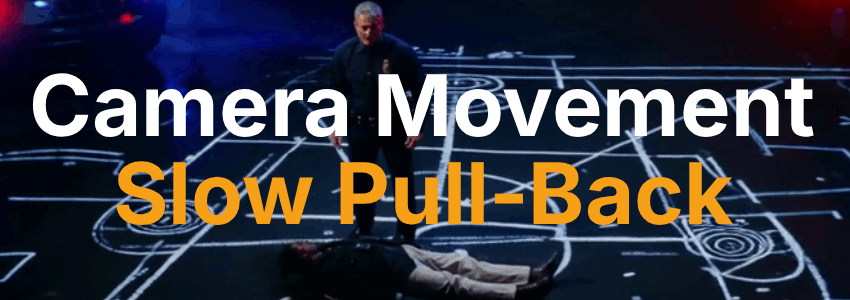
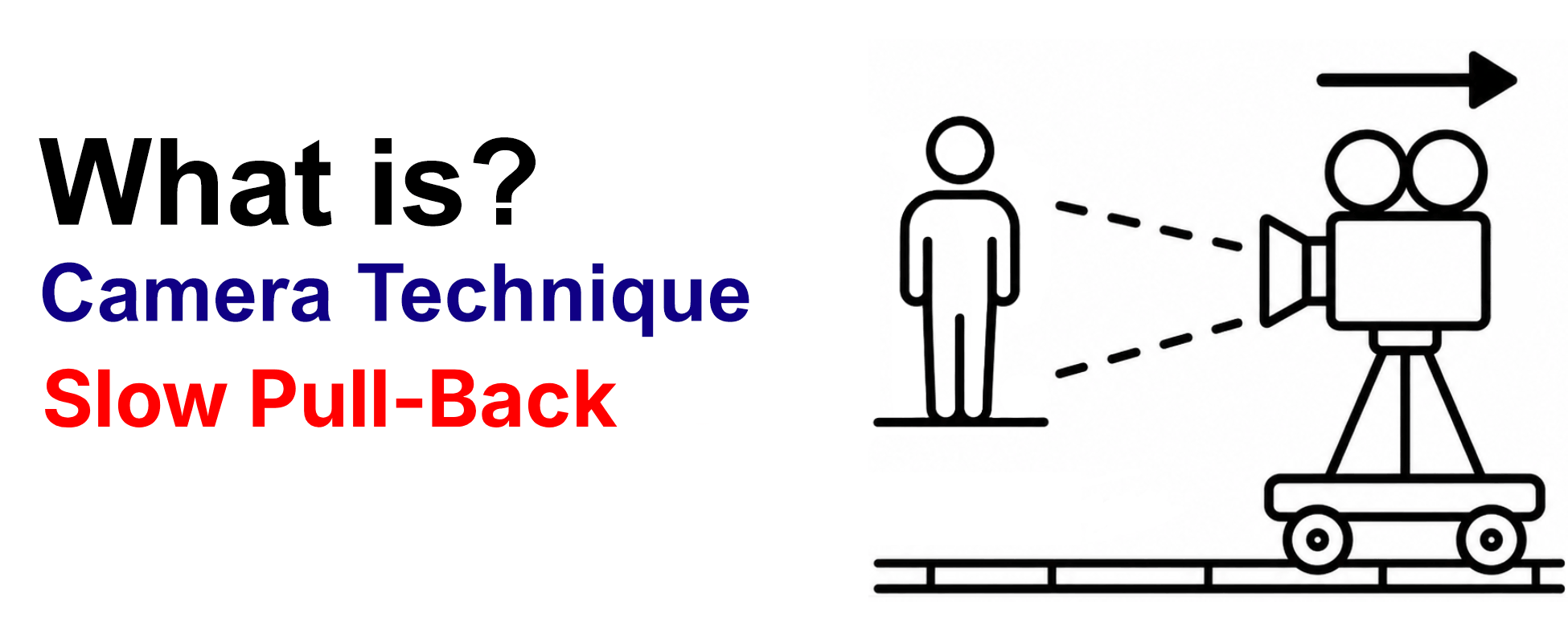
A slow pull-back is a camera movement where the rig gradually moves backward, away from the subject, often on a dolly, crane, or drone, to expand the frame and reveal more of the surrounding environment. This deliberate pacing allows the audience to absorb contextual details as the composition shifts from a close or medium view to a wider establishing perspective. Directors use a slow pull-back to create a sense of revelation, to emphasize a character's isolation, or to transition from an intimate moment to a broader narrative context without cutting.
Example Prompt
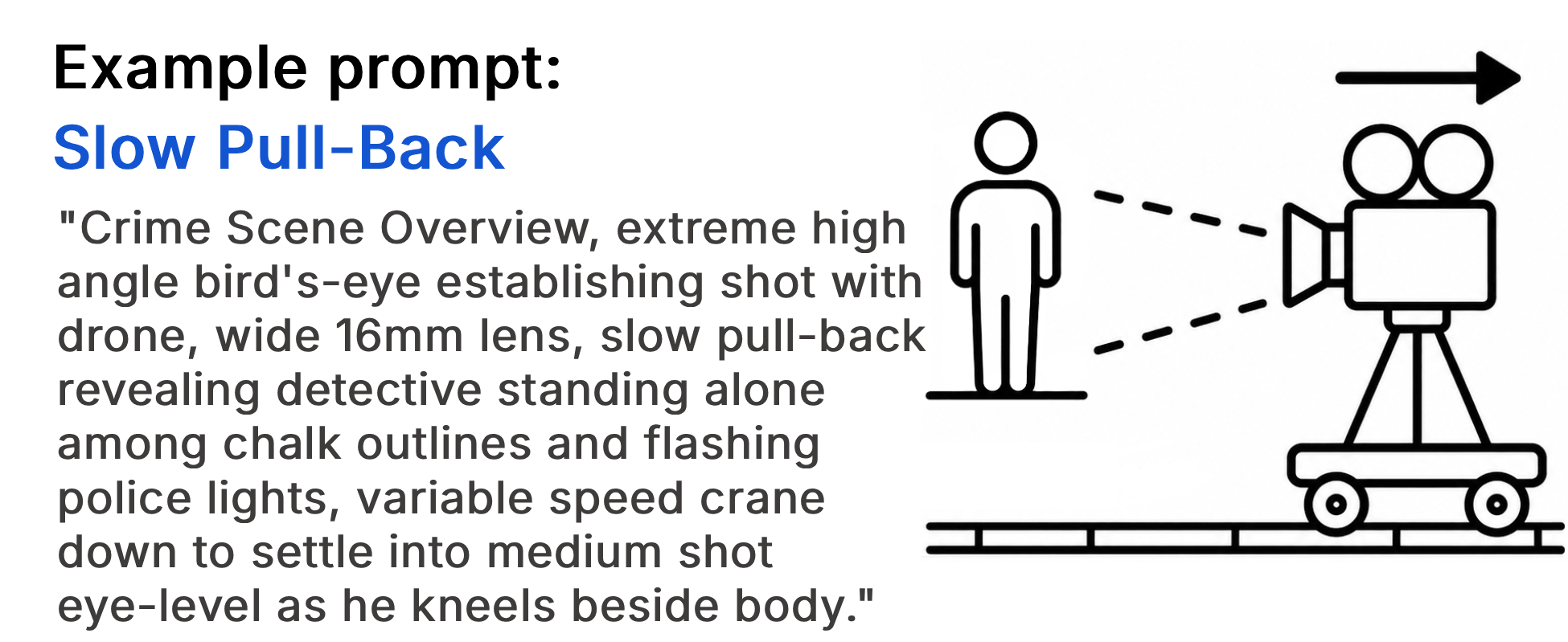
"Crime Scene Overview, extreme high angle bird's-eye establishing shot with drone, wide 16mm lens, slow pull-back revealing detective standing alone among chalk outlines and flashing police lights, variable speed crane down to settle into medium shot eye-level as he kneels beside body."
Example Video
When to use the Slow Pull-Back technique?
The slow pull-back technique works best when a scene calls for revelation or context, such as ending a sequence by exposing the full scale of a location, or emphasizing a character's isolation by shrinking them within a widening frame. It is also effective for transitioning smoothly from an intimate character beat into a broader establishing view without cutting away. Avoid this technique when a scene needs to stay tightly focused on a character's immediate emotional state, where holding a close shot will better preserve that intensity.
- A scene needs to reveal its full scale
- This is the closing shot of a scene
- A character's isolation should grow visible
- The shift from close to wide should feel seamless
- The set has room for the camera to draw back
Pros and Cons of the Slow Pull-Back
| Pros | Cons |
|---|---|
| Reveals context and scale gradually without needing a cut | Slower pacing can feel indulgent if the reveal isn't narratively earned |
| Effectively conveys isolation by shrinking the subject in frame | Requires open space behind the camera's starting position to execute |
| Strong choice for scene-ending or act-ending shots | Loses intimacy as the subject grows smaller within the frame |
Recommended book
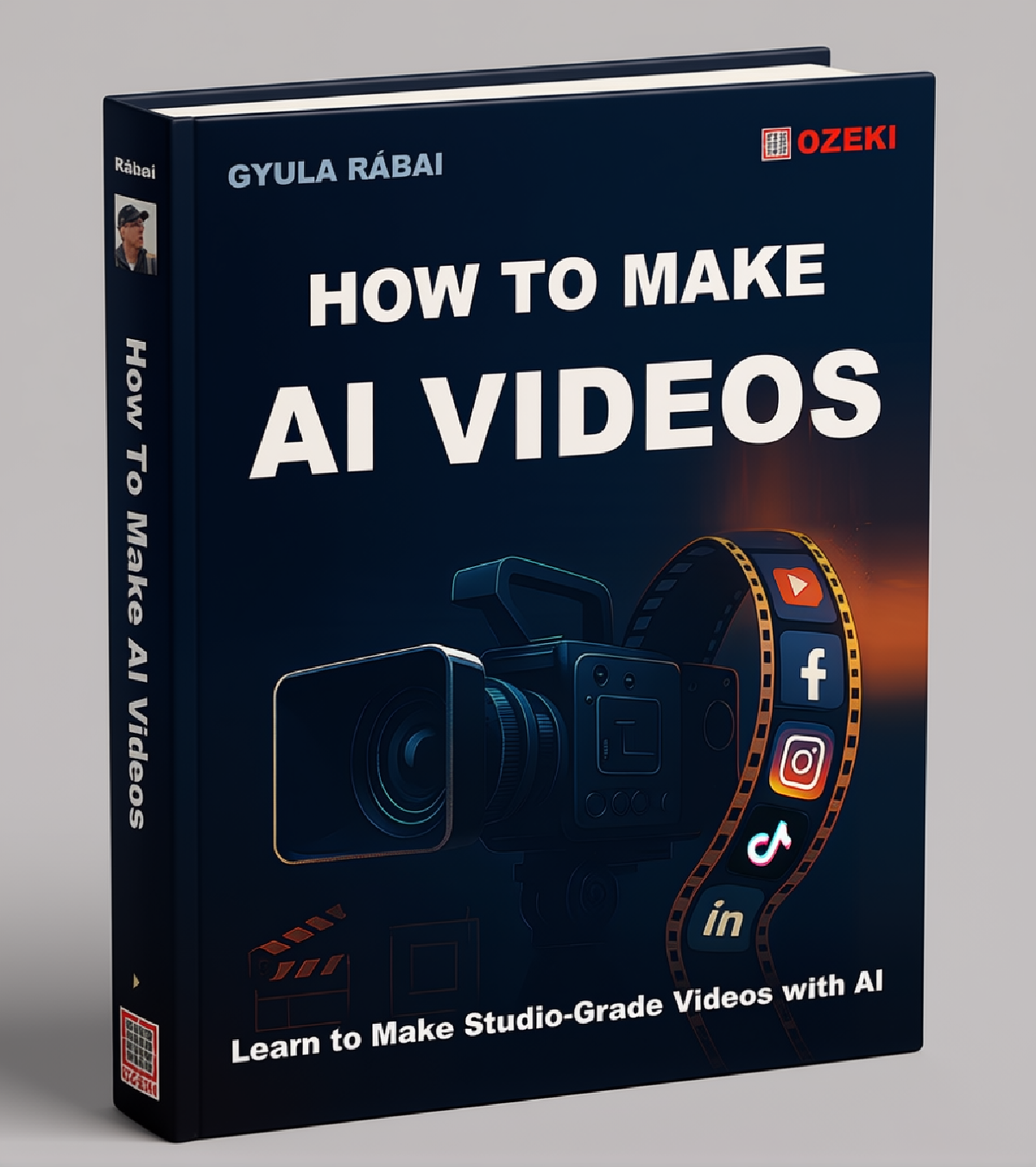
Learn more about AI video editing
Learn more about AI video editing by reading the book How to Make AI Videos by Gyula Rabai. In this book you can find very important information about: Camera Movement, Lighting, Colors, Composition, Consistency, Character emotion, Character motion, Video style, Action Control and Sound design This information will make your videos more professional, and more engaging.
Get your copy here:
https://videcool.com/p_3707-how-to-make-ai-videos-by-gyula-rabai-book.html
Conclusion
The slow pull-back is a powerful tool for filmmakers and prompt engineers who want to close a scene by widening its meaning rather than cutting away from it. By drawing the camera back to reveal what surrounds the subject, it turns a personal moment into a statement about context, scale, or isolation. It is not the right choice for every scene, but when revelation, isolation, or narrative closure are the goal, few techniques communicate them as effectively. Used thoughtfully alongside closer, more intimate camera movements, it becomes a versatile addition to any AI video generation toolkit.