
AI Video Editing - Camera Movement - Tracking Forward
A tracking forward is one of the smoothest camera movements available in AI video generation, gliding the camera toward its subject along a controlled path to build a gradual sense of approach or discovery. This page explains what the technique is, when to use it, and how it compares to other camera movements, along with a ready-to-use example prompt.
What is the "Tracking Forward" camera technique?
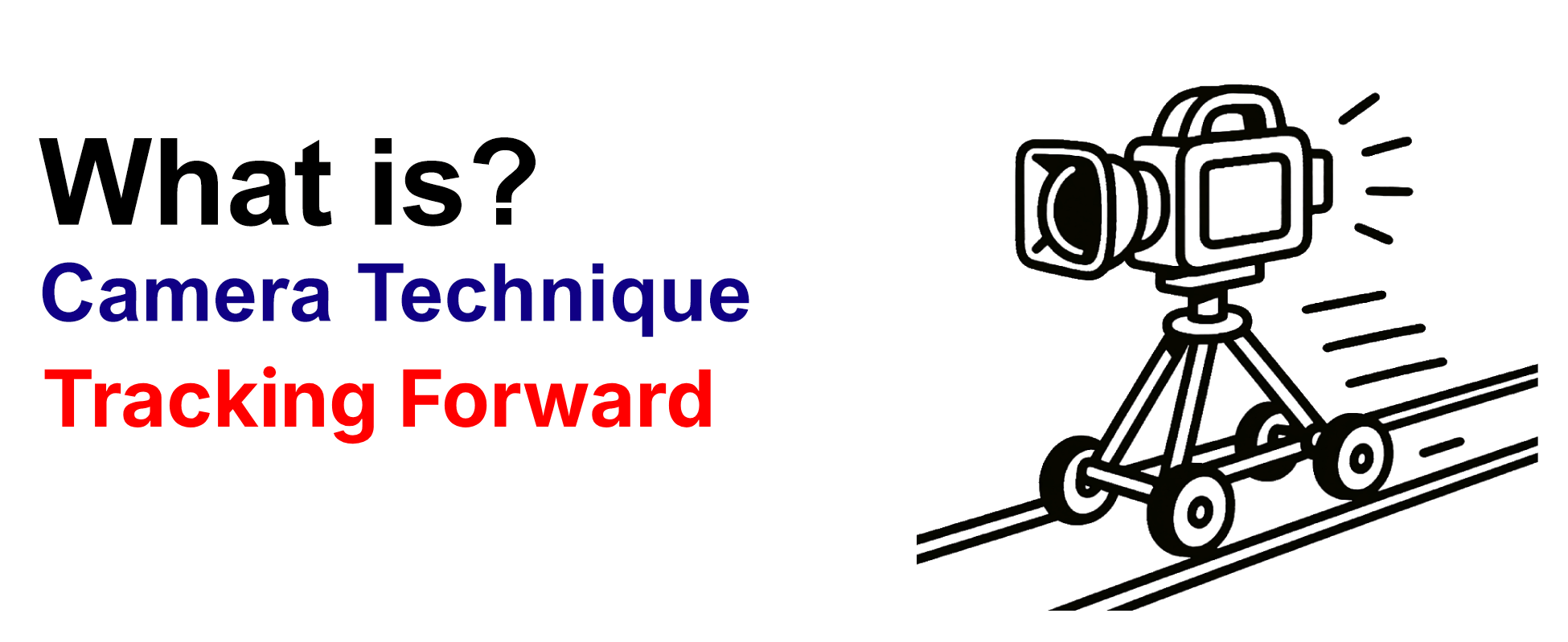
A tracking forward is a camera movement in which the entire camera rig physically moves toward the subject along a straight or curved path, often on tracks, a dolly, or a gimbal. This motion continuously changes the perspective and scale of the subject within the frame, creating a gradual sense of approach or intrusion. Filmmakers use a tracking forward to draw the audience into a character's personal space, to build suspense, or to highlight a crucial discovery with a smooth, immersive glide.
Example Prompt
"Evidence Discovery, over-the-shoulder shot medium close-up, slow tracking forward with 50mm normal lens, detective's gloved hand lifting bloodstained letter from crime scene, rack focus pull from the note to his narrowed eyes, cinematic lighting with cold blue tones."
Example Video
When to use the Tracking Forward technique?
The tracking forward technique works best when a scene calls for a smooth, deliberate sense of approach, such as investigative reveals, quiet suspense, or a character closing in on a crucial detail or discovery. It is also effective for maintaining a polished, cinematic feel while still drawing the audience physically closer to the subject. Avoid this technique when a scene needs raw urgency or instability, where a handheld tracking shot will better convey chaos or immediacy.
- Scene needs a smooth, deliberate approach
- The scene reveals something through investigation
- Tension builds calmly and gradually
- The camera closes in on a key detail
- The scene calls for a polished, cinematic look
Pros and Cons of the Tracking Forward
| Pros | Cons |
|---|---|
| Delivers a smooth, polished sense of approach without jarring motion | Requires tracks, a dolly, or a gimbal setup for the intended effect |
| Builds suspense and draws focus gradually toward a subject or detail | Less effective than handheld motion for conveying urgency or chaos |
| Keeps the subject clearly framed throughout the movement | Can feel too controlled or deliberate for raw, spontaneous moments |
Recommended book

Learn more about AI video editing
Learn more about AI video editing by reading the book How to Make AI Videos by Gyula Rabai. In this book you can find very important information about: Camera Movement, Lighting, Colors, Composition, Consistency, Character emotion, Character motion, Video style, Action Control and Sound design This information will make your videos more professional, and more engaging.
Get your copy here:
https://videcool.com/p_3707-how-to-make-ai-videos-by-gyula-rabai-book.html
Conclusion
The tracking forward is a powerful tool for filmmakers and prompt engineers who want to draw the audience steadily into a scene without sacrificing visual polish. By gliding smoothly toward the subject, it builds suspense and intimacy while keeping the frame controlled and clear. It is not the right choice for every scene, but when discovery, suspense, or a graceful sense of approach are the goal, few techniques communicate them as effectively. Used thoughtfully alongside rawer or more energetic camera movements, it becomes a versatile addition to any AI video generation toolkit.