
AI Video Editing - Sound-Design - Spatial Positioning
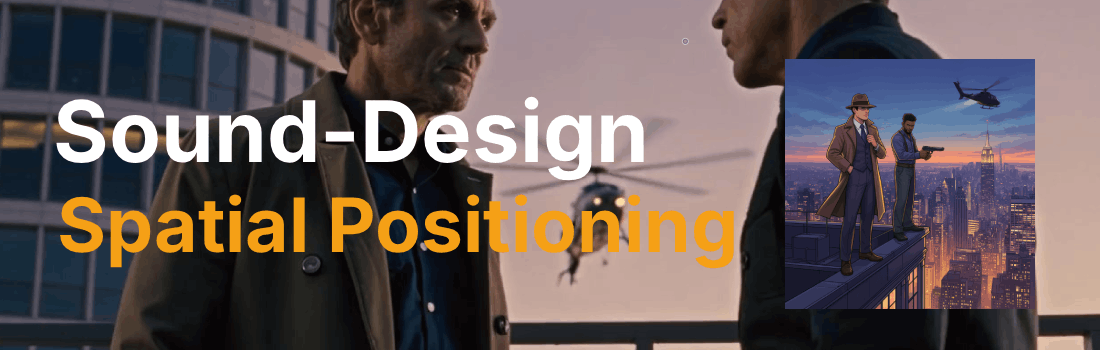
Spatial positioning is one of the most powerful sound design techniques available in AI video generation, placing sounds at precise locations within the stereo or surround field to mimic real-world acoustics and guide the viewer's attention. By specifying where a sound originates you transform a flat audio track into an immersive three-dimensional soundscape that draws the audience deeper into the scene. This page explains what spatial positioning is, when to use it, and how it compares to other sound design approaches, along with a ready-to-use example prompt.
What is Spatial Positioning?
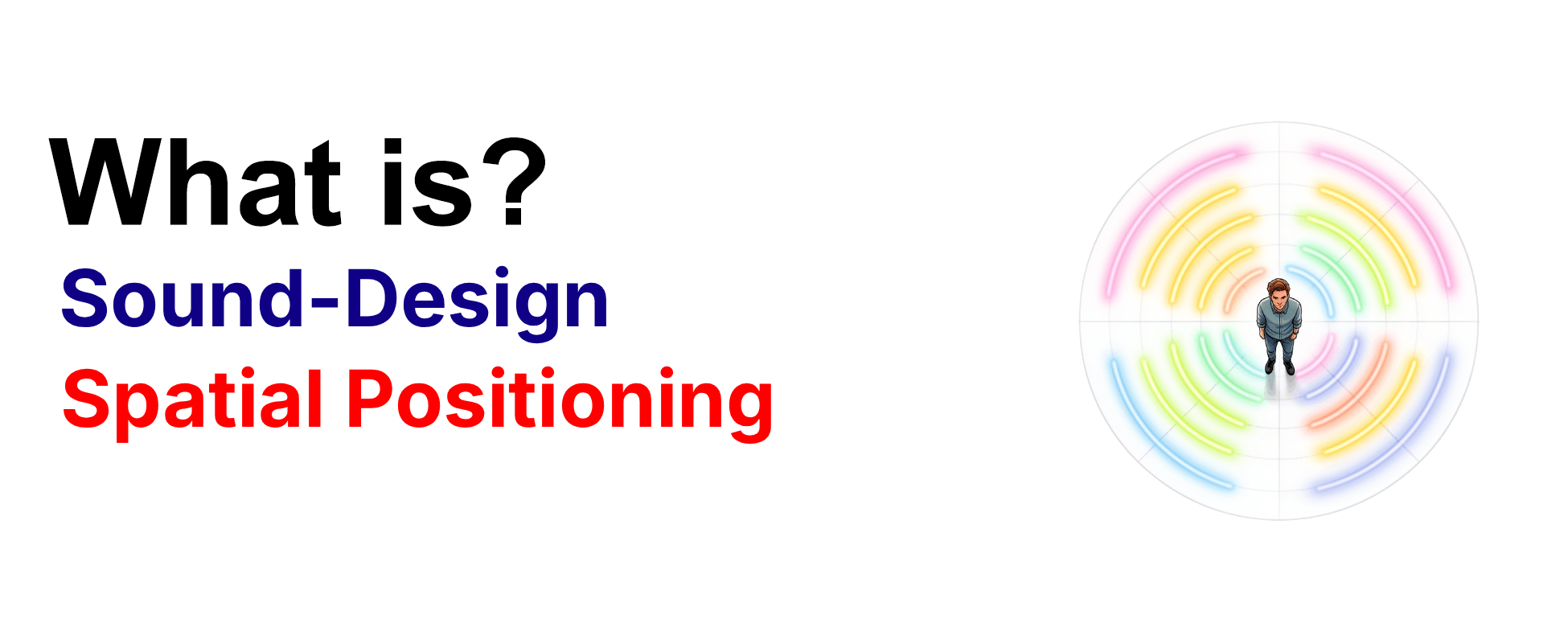
Spatial positioning is a sound design technique that places sounds at specific locations within the stereo or surround field, such as center, left 30°, right rear 110°, or overhead, to mimic real-world physics and guide the viewer's attention. This three-dimensional placement allows sounds to approach, recede, or move around the listener, creating immersion and spatial storytelling without relying on visual cues. Directors use spatial positioning to make off-screen threats feel real, to direct the audience's focus within the frame, and to create a sense of depth and presence that makes the audio world feel as expansive as the visual one. AI sound models are trained on spatial positioning and 3D surround-sound keywords, so specifying sound direction and spatial position not only mimics real-world physics but also guides the viewer's attention inside the frame. A center-panned voice feels direct and intimate, while a whisper placed right-rear 110° can deliver a surround-sound scare that makes the audience turn their head.
Example Prompt
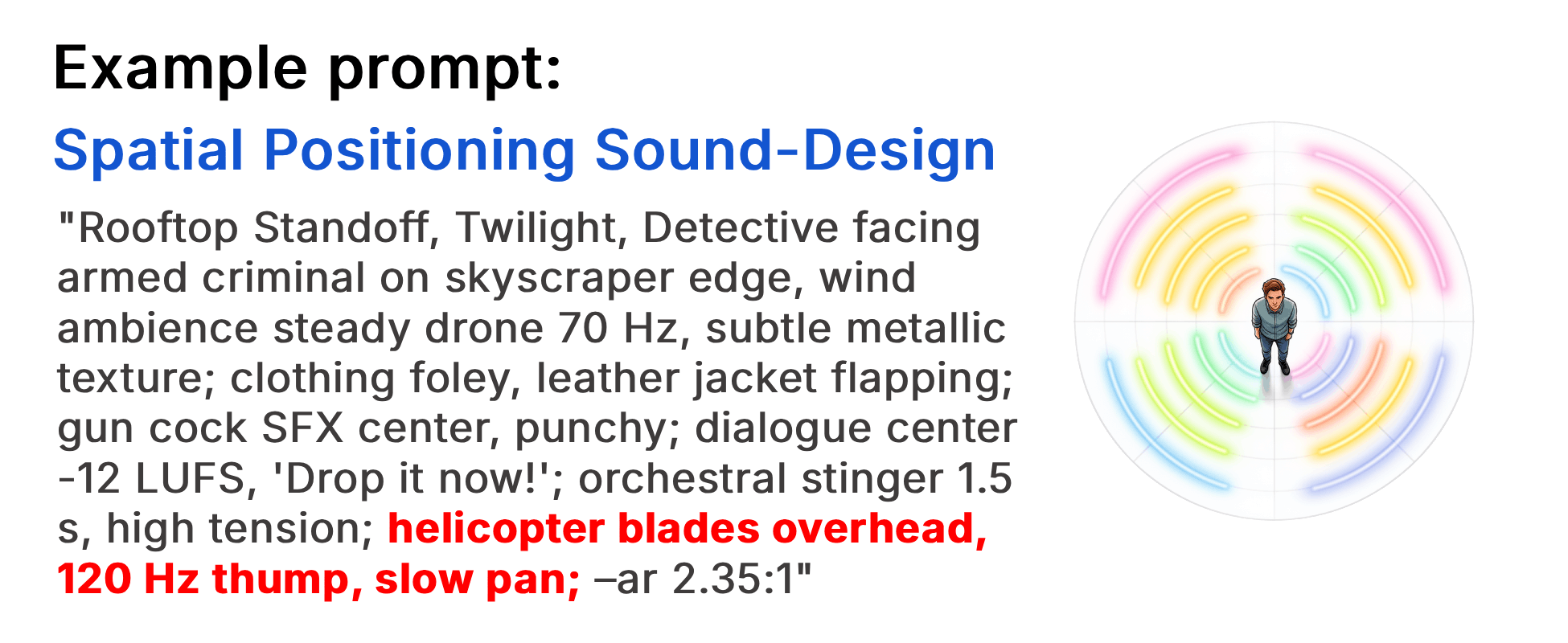
"Rooftop Standoff, Twilight, Detective facing armed criminal on skyscraper edge, wind ambience steady drone 70 Hz, subtle metallic texture; clothing foley, leather jacket flapping; gun cock SFX center, punchy; dialogue center -12 LUFS, 'Drop it now!'; orchestral stinger 1.5 s, high tension; helicopter blades overhead, 120 Hz thump, slow pan; –ar 2.35:1"
Example Video
When to use Spatial Positioning?
Spatial positioning works best when a scene calls for immersion, directional storytelling, or off-screen tension. It is ideal for environments with multiple sound sources — such as bustling streets, forest ambiences, or large interiors — where placing sounds at different positions creates a believable acoustic space. It is also effective for horror and thriller genres, where off-screen whispers, footsteps, or sudden sounds placed behind or beside the listener heighten dread and surprise. Avoid spatial positioning when the scene demands simplicity and intimacy, such as a quiet two-person conversation where a centered, clean dialogue track will better serve the emotional moment.
- Scene has multiple distinct sound sources at different locations
- Off-screen sounds need to feel present and threatening
- The environment calls for immersive, three-dimensional audio
- Horror or thriller genres benefit from surround-sound scares
- Directional audio helps guide the viewer's attention within the frame
Pros and Cons of Spatial Positioning
| Pros | Cons |
|---|---|
| Creates an immersive, three-dimensional soundscape that draws the viewer into the scene | Can sound disorienting or cluttered if too many spatial cues compete for attention |
| Makes off-screen threats and events feel real and immediate | Requires careful LUFS balancing to prevent spatially placed sounds from overpowering dialogue |
| Guides the viewer's attention without relying on visual cues alone | Not all playback systems reproduce spatial audio accurately, reducing the intended effect |
Recommended book
Learn more about AI video editing
Learn more about AI video editing by reading the book How to Make AI Videos by Gyula Rabai. In this book you can find very important information about: Camera Movement, Lighting, Colors, Composition, Consistency, Character emotion, Character motion, Video style, Action Control and Sound design This information will make your videos more professional, and more engaging.
Get your copy here:
https://videcool.com/p_3707-how-to-make-ai-videos-by-gyula-rabai-book.html
Conclusion
Spatial positioning is a powerful tool for sound designers and prompt engineers who want to create immersive, three-dimensional audio experiences in AI-generated videos. By placing sounds at specific locations within the stereo or surround field, you transform a flat mix into a living soundscape that guides the viewer's attention and heightens emotional impact. It is not the right choice for every scene, but when immersion, off-screen tension, or directional storytelling are the goal, few techniques communicate them as effectively. Used thoughtfully alongside other sound design elements such as intensity, texture, and temporal shaping, spatial positioning becomes a versatile addition to any AI video generation toolkit.